Does Recovering Mean Forgetting?
The emotional investment First Responders or Veterans may place on members who have died on their crew, fireteam, or squad can appear excessive to those not able to understand the unique nature of these relationships. Even if well intended, to tell a First Responder or Veteran that they “do not have anything to feel guilty about” could be considered offensive and may even evoke anger. For some, this may feel synonymous with forgetting the dead.
–To commemorate their life, guilt can be thought of as an expression of our loyalty to them after their death.
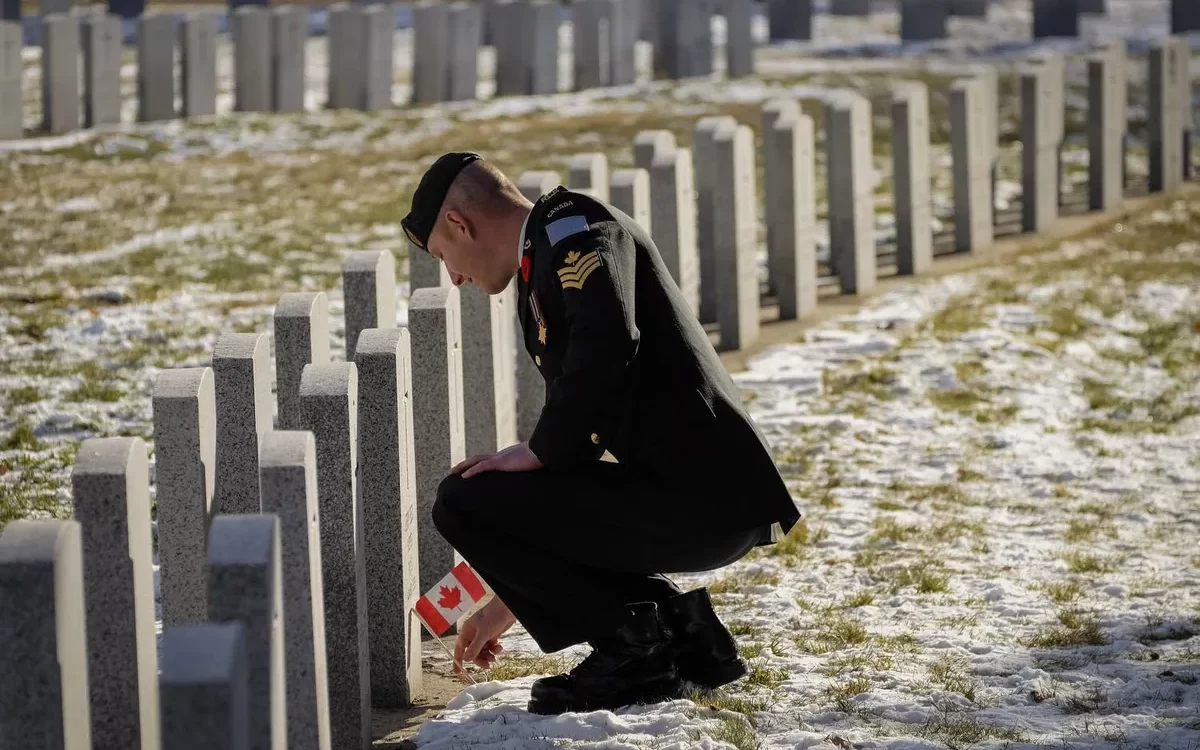
Grief & Guilt as Protective
Words have implications to them. Guilt presupposes choice and the ability to exercise it. As a defence against helplessness, guilt may help us avoid fear. The reality that we very often have little or no control over some events in life can be terrifying. Perhaps even worse, the thought of successfully grieving loss will lead to forgetting them and committing their memories to oblivion.
To commemorate their life, guilt can be tough of as an expression of our loyalty to them after their death. When viewing their names on monuments, for example, these can be conceptualized as an illustration of a shared history that removes the threat of reducing them and their service to nonexistence. However, the functionality of guilt can be particularly concerning when its expression becomes paralyzing or destructive.
Grief & Guilt as Problematic
Memories have the capability of honouring the dead by figuratively giving them life. This may serve as a reasonable, even protective factor to our grief. However, this can take the form of intractable grief and damage other protective relationships and our ability to recover. Distorted and destructive thought patterns about the causes of their death while serving or from suicide are not uncommon feature among those suffering from moral injuries. The “could have,” the “would have,” or “should have” become the ruminative patterns of thoughts that do nothing to assuage our anguish.
You may even feel you deserve to feel this way. After all, why should I have a future and not them? There are no answers to satisfy these questions. The reality that we had little or no control might liberate us from blame. However, this also demands we accept that we really do have limited control over much of life. How does this work if we are supposed to “take control” of a situation?
–Ruminative patterns of thoughts that do nothing to assuage our anguish.
Gratitude and Growth
To crucify yourself with an illusion of control might result in sacrificing yourself for something you never intended. We must cherish the memories of those who served beside us. However, the death of other protective relationships or personal goals should not be the price paid to commemorate their life. Perhaps ask yourself, how can I remain solemnly faithful in my loyalty to their memories while living a life that celebrates the gratitude I will always have?
If you want to know more about guilt and grief within the First Responders and Veterans communities, contact us or book a Free Discovery Call with Richard Piekarczyk-Vacca.
